Guide · How to invest in stocks
“How to invest in stocks” is one of the most searched finance intents — and most answers skip the boring parts. The path that compounds is not a hot tip: custody at a broker, a written constitution for size, research that can kill the idea, rehearsal on paper, then tickets you place yourself. Agents61 is the research committee for the middle of that loop — never a buy button.
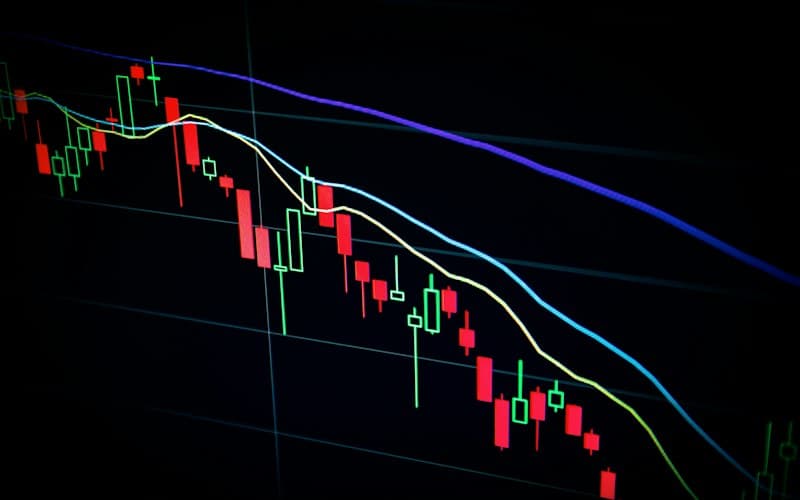
how to invest in stocks
Before strategy poetry, you need four objects: (1) a regulated brokerage account that can hold cash and settle trades, (2) a funding plan that does not threaten rent, (3) a written rule for how large any one name can be, and (4) a research habit that ends in “what would make me wrong.”
Agents61 does not replace (1) or (2). It is built for (3) and (4): Mandate language, isolated master briefs, Build → Paper → Proof. If you only want a chat that agrees with you, you already have ChatGPT — and that is not how to invest in stocks safely.

how to invest in stocks
Pick a broker you trust for statements and tax forms — E*TRADE, Fidelity, Schwab, Interactive Brokers, Public, Robinhood, or another regulated venue. Compare fees, IRA options, and order types there. Agents61 will never custody your shares.
Same day, write how you invest in plain English: max position %, minimum cash floor, horizon, and a forbidden list (levered ETFs, pennies, options structures you cannot explain). Paste that into Agents61 Mandate so Always-on Scan can flag breaches later. A constitution before tips is the difference between investing and gambling with better vocabulary.

how to invest in stocks
While you are learning how to invest in stocks, bias toward: broad equity ETFs (VOO, SPY, QQQ), mega-cap names with real filings (MSFT, GOOGL, AAPL), and liquid AI-infrastructure names if that is your theme (NVDA, AMD) — as research candidates, not as “must buys.”
Avoid as your first laboratory: sub-$5 promotion names, tiny floats, and anything where the bid-ask spread is the whole thesis. See /how-to-trade-penny-stocks for why Mandate often bans them. Small-cap exposure via IWM is a different instrument than chasing microcaps.

how to invest in stocks
Bring a ticker you already noticed — not a stranger from a Discord. On Agents61 Home, Ask unlocked seats with Isolated on so Buffett-style and growth-style methods cannot edit each other mid-draft. Read the clerk stack for splits, not a consensus badge.
Force a kill-condition in one sentence: “I am wrong if ___.” If you cannot write it, you do not have a thesis. Red-team seats exist for this job. Pair with /use-cases/red-team-a-thesis and the reading list on /best-investing-books.
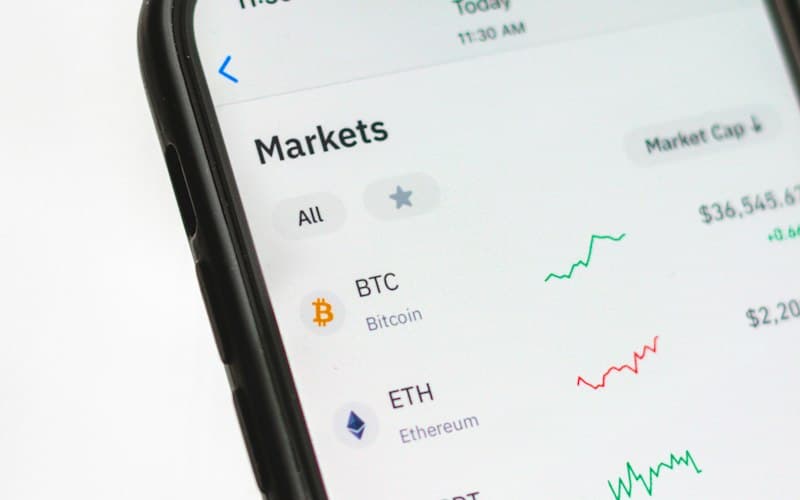
how to invest in stocks
Use Build to turn the idea into entry/exit/size/falsifier language. Follow on the virtual $100k paper book. Open Proof and Always-on Scan: cash floor, max %, stops. Live through a drawn-down month on paper before you copy size at your broker.
When you do trade, place the ticket at the broker — Agents61 does not route equity orders. That separation is intentional: using AI to research is not the same as unsupervised auto-trading. See /using-ai-to-trade-stocks.

how to invest in stocks
Buying what you cannot explain. Averaging down without a falsifier. Confusing a rising theme (AI) with guaranteed edge. Ignoring taxes and fees. Treating paper P&L as income. Outsourcing judgment to a single LLM wearing many hats.
Agents61’s product answer is isolation + empty chairs + Mandate. Your personal answer is patience: indexing with VOO while you build research skill is often the adult move — see /stocks/voo and /stocks-to-invest-in.
Open a broker, fund what you can afford to leave invested, buy a broad ETF if you are not ready for single names, and write a simple Mandate. Agents61 helps when you start digging tickers — it is not a substitute for broker education modules.
Enough that fees do not dominate and losses do not change your life. There is no magic number. Never invest rent money. Agents61 paper uses virtual $100k so you can rehearse sizing without capital at risk.
ETFs (e.g. VOO) buy the market cheaply. Individual stocks need filings-level homework. Many people do both: core ETF + a small sleeve of researched names. Not advice — a framing.
No. Research simulation and educational publication. No equity order routing.
Fluent AI can invent confidence. Agents61 refuses buy tickets and keeps seats isolated so disagreement survives. You still decide at your broker.
Those are brokerages (and sometimes agentic trading). Agents61 is the committee layer. See /agents61-vs-etrade and /agents61-vs-robinhood-agents.
Create an Agents61 account, write Mandate, Ask one name you already know. Research simulation — not advice.
Create accountResearch simulation. Isolated briefs never say you should buy. No order routing.